
Choosing a School That Builds More Than Academic Scores
A school decision is ultimately a decision about the environment in which a child will spend important formative years. Parents in Miyapur have many factors to consider, from curriculum and teaching quality to student wellbeing, activities and the way learning is assessed.
Quick Checklist
- Look for clear evidence of best schools in Miyapur in everyday learning.
- Ask how teachers connect CBSE schools in Miyapur with practical classroom experiences.
- Check how feedback, participation and progress are communicated to families.
Academic foundations
When families evaluate best schools in Miyapur, it helps to begin with the child’s actual experience rather than with a list of promotional features. A useful school decision asks what students do, how teachers respond to questions, how progress is understood, and whether children are given opportunities to practise what they learn. The details may look different from one campus to another, but the underlying goal is the same: create a setting
in which knowledge, confidence and responsible behaviour can grow together.
Teaching and classroom culture
The first practical consideration is consistency. A strong educational approach should be visible in ordinary lessons, not only during special events. Teachers can establish clear routines while still allowing discussion,
investigation and choice. Students benefit when expectations are understandable and feedback is specific. This is particularly important for best schools in Miyapur, because the quality of an approach is measured by how well it helps learners make progress over time.
Development beyond marks
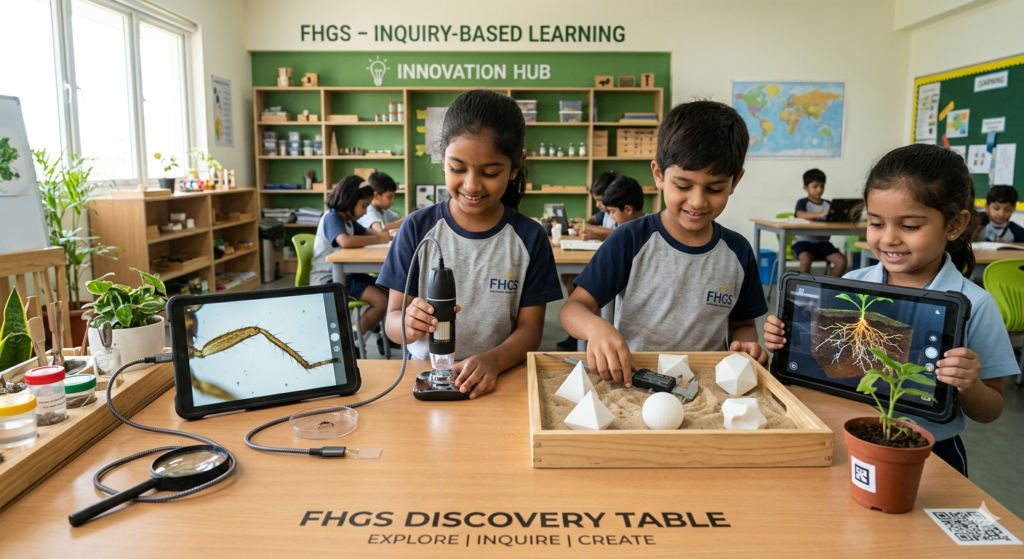
Another important dimension is connection. Ideas become more useful when children can link them to something they already understand or to a real situation. This is where CBSE schools in Miyapur and holistic education can complement academic work. A classroom might use a practical task, a discussion, a model, a digital resource or a collaborative project to help students move from explanation to application. The activity should always have a clear learning purpose.
Learning spaces and experiences
Teachers also need room to notice individual differences. Students can reach the same learning outcome through different routes, and some may need additional explanation, more practice or a different example. Thoughtful differentiation does not mean lowering expectations. It means providing a sensible path toward them. Families can ask schools how teachers monitor progress and what happens when a student is confident in one area but needs support in another
Parent-school partnership
Communication with parents completes the picture. Useful communication should explain not only what a child achieved but also what the next learning step might be. When school and home share practical observations, children receive clearer guidance. Parents can reinforce good habits through reading, conversation, organisation, healthy routines and opportunities to explore interests without turning every evening into extra tuition.
Putting the Idea Into Practice
Finally, families should think about long-term fit. Children change rapidly, so a school should provide an environment that can support growing independence. Look for opportunities to take responsibility, collaborate, present ideas, solve unfamiliar problems and participate in the wider school community. These experiences can gradually turn classroom knowledge into capabilities that students carry into later study and adult life.
What Families Can Look For
Academic foundations deserves practical attention because students learn through repeated experiences. Schools can strengthen this area by setting clear goals, giving learners time to practise, using examples that feel relevant and inviting reflection after activities. Parents can look for evidence rather than promises: observe how students participate, ask how teachers give feedback, and understand how the school responds when a learner needs encouragement or a new strategy. A thoughtful approach also recognises that progress is gradual. Children may begin with support and become increasingly independent as they gain confidence.
Building Consistent Learning Habits
Teaching and classroom culture deserves practical attention because students learn through repeated experiences. Schools can strengthen this area by setting clear goals, giving learners time to practise, using examples that feel relevant and inviting reflection after activities. Parents can look for evidence rather than promises: observe how students participate, ask how teachers give feedback, and understand how the school responds when a learner needs encouragement or a new strategy. A thoughtful approach also recognises that progress is gradual. Children may begin with support and become increasingly independent as they gain confidence.
Practical Questions to Consider
Development beyond marks deserves practical attention because students learn through repeated experiences. Schools can strengthen this area by setting clear goals, giving learners time to practise, using examples that feel relevant and inviting reflection after activities. Parents can look for evidence rather than promises: observe how students participate, ask how teachers give feedback, and understand how the school responds when a learner needs encouragement or a new strategy. A thoughtful approach also recognises that progress is gradual. Children may begin with support and become increasingly independent as they gain confidence.
Conclusion
Choosing a school is about finding an environment where academic learning, character, confidence and practical skills grow together. Families can look beyond examination results and consider teaching quality, student participation, communication and opportunities for children to become independent. A supportive school should help learners build strong foundations while encouraging curiosity, responsibility and resilience. The right educational environment is one that prepares children not only for the next assessment, but also for the challenges and opportunities that come with every stage of learning.