
LKG vs. PP1: Decoding the Alphabet Soup of Your Child’s First School Year
Understanding Early Years Terminology (LKG, PP1, Montessori)
Parents of 3-4 year olds in Hyderabad (Miyapur, Kukatpally, etc.)
If you are a parent currently scrolling through school websites or sitting in admission offices, you have likely hit a wall of acronyms. One brochure mentions “LKG” (Lower Kindergarten). The next one talks about “PP1″ (Pre-Primary 1). Another school discusses “Montessori 2.” And suddenly, a simple question-“Which class should my four-year-old join?“-feels like a complex algebra equation.
Is PP1 higher than LKG? Is LKG the same as Nursery? Did I miss a year?
Take a deep breath. You are not alone in this confusion. In the rapidly evolving landscape of Indian education, terminology varies wildly between CBSE, ICSE, IB, and Cambridge schools. As you prepare for the 2026 academic year in the competitive hubs of Miyapur and Kukatpally, clarity is your best friend.
This guide is designed to demystify the jargon, explain exactly what these levels mean, and help you place your child in the right grade with confidence.
The Short Answer: It’s the Same Room, Different Door
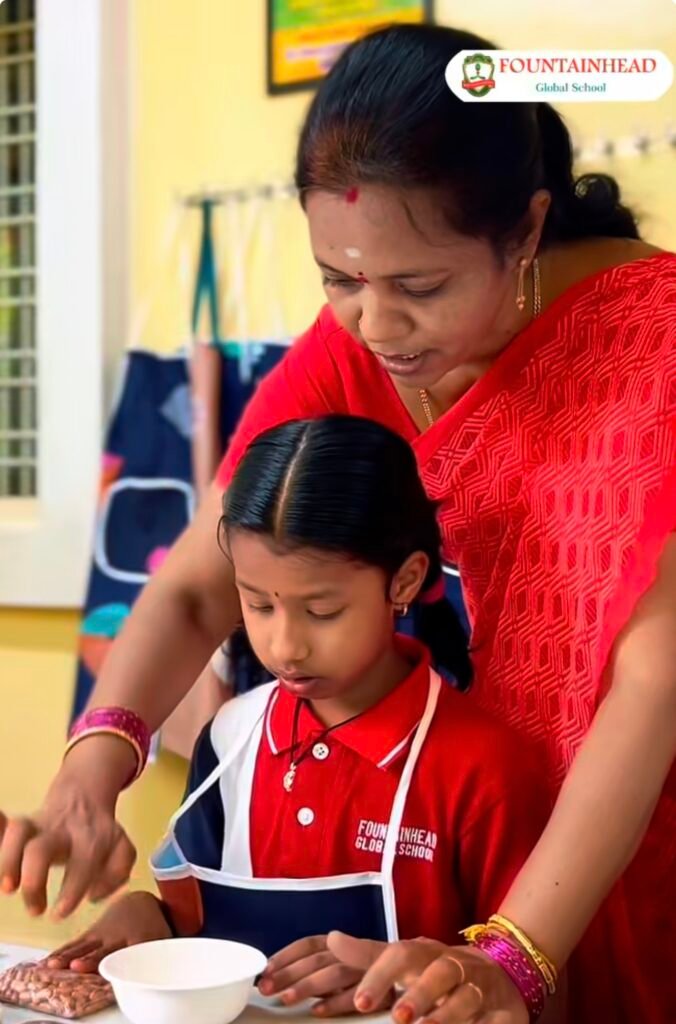
Let’s tear off the band-aid immediately: LKG (Lower Kindergarten) and PP1 (Pre-Primary 1) are widely considered to be the same grade level.
They both represent the second year of schooling (after Nursery/Playgroup) and are generally designed for children aged 4 to 5 years. The difference lies not in the child’s development, but in the school’s affiliation.
- LKG / UKG: This is the traditional terminology used by most State Board, CBSE, and ICSE schools. It stands for Lower Kindergarten and Upper Kindergarten.
- PP1 / PP2: This stands for Pre-Primary 1 and Pre-Primary 2. This terminology is increasingly popular in modern “Techno” schools, International schools, and corporate preschool chains in Hyderabad.
- EYP / KYP: Some IB or Cambridge schools might use “Early Years Programme” or “Kindergarten Years Programme” followed by a number (e.g., K1, K2).
Regardless of the label on the classroom door, the objective remains the same: transitioning your child from the “play-based” environment of Nursery into the more structured “skill-based” environment of formal schooling.
The Age Equation: The NEP 2020 Standard
The most critical factor in this decision is not the name of the class, but the age of your child.
With the implementation of the National Education Policy (NEP) 2020, there is a strong push for standardization across India. The new structure mandates a specific age progression to ensure children are developmentally ready for the rigors of Grade 1.
The Golden Rule for 2026 Admissions:
- Nursery / Pre-Primary 1 (Foundation): 3+ Years
- LKG / PP1 (Junior KG): 4+ Years
- UKG / PP2 (Senior KG): 5+ Years
- Grade 1: 6+ Years
Why strict adherence matters:
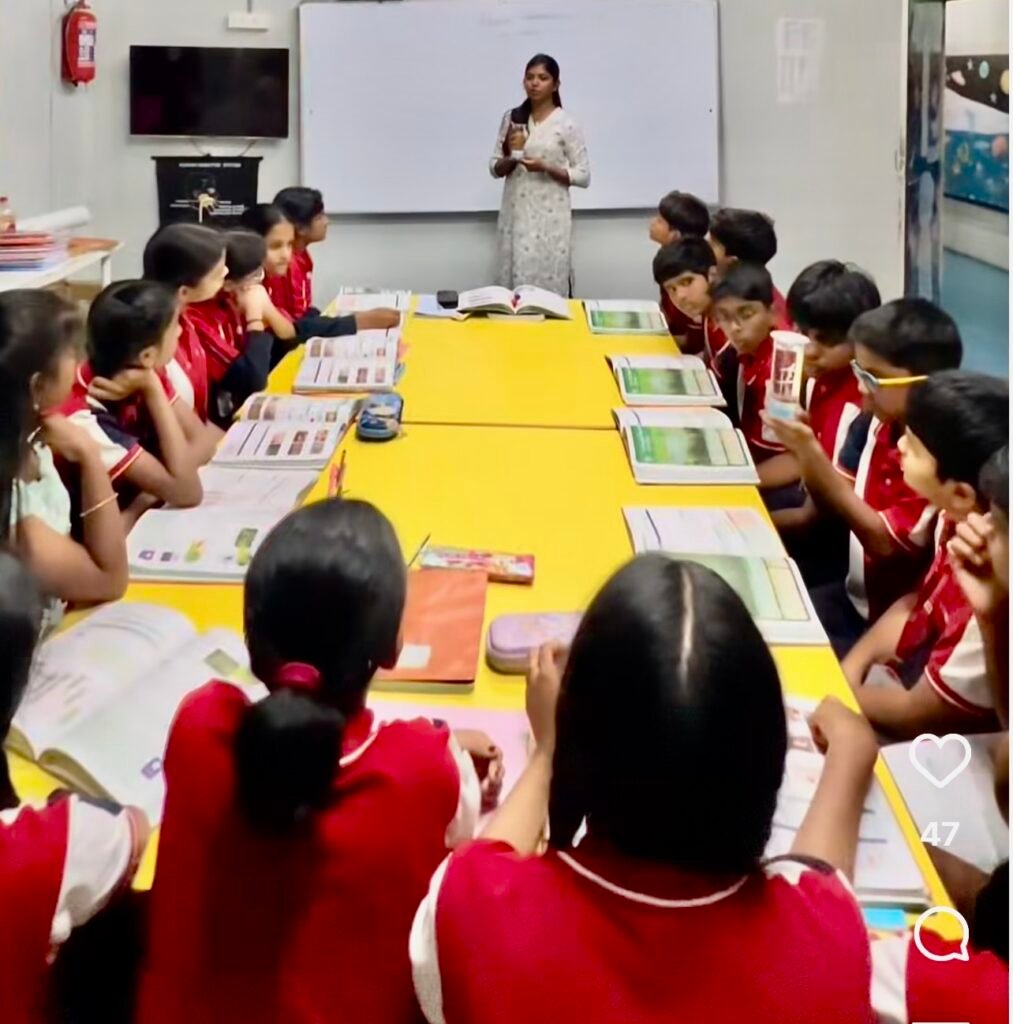
In the past, parents often tried to “jump” a year or push their child into LKG at 3.5 years to “save a year.” Experts (and the government) now strongly advise against this. A child who enters LKG/PP1 too early may struggle with fine motor tasks (like holding a pencil correctly) or social regulation, leading to a dislike for school later on. In the Hyderabad context, where academic pressure ramps up quickly in higher grades, giving your child that extra year of maturity in the foundation stage is a gift, not a delay.
Inside the Classroom: What Happens in LKG / PP1?
So, whether you call it LKG or PP1, what will your child actually do all day? This grade is a massive leap from Nursery. While Nursery is about settling in and social play, LKG/PP1 is about Building the Foundation for Literacy and Numeracy.
1. From Speaking to Reading (Literacy):
In Nursery, your child learned to sing the ABC song. In LKG/PP1, they learn that letters make sounds.
- Phonics: This is the game-changer. Children stop saying “A for Apple” and start learning “A says ‘Ah’.” They begin blending sounds to read simple CVC words (Consonant-Vowel-Consonant) like cat, mat, pin.
- Writing: The scribbling of Nursery evolves into structured formation. They learn to write within four lines, understanding the difference between capital and lowercase letters.
2. Number Sense (Not Just Counting):
Nursery kids count by rote (“1, 2, 3…”). LKG/PP1 students develop Number Sense.
- They understand the value: that the number ‘5’ represents five objects.
- They explore concepts like Before, After, and Between numbers.
- They begin basic comparison: Big vs. Small, Tall vs. Short, Heavy vs. Light.
3. Fine Motor Mastery:
This is the year of the “Pincer Grip.” Activities are designed to strengthen the finger muscles required for writing. You will see less finger painting and more coloring within lines, cutting with safety scissors, and beading.
4. The Social Shift:
LKG/PP1 is when “Parallel Play” (playing next to a friend) turns into “Cooperative Play” (playing with a friend). Children learn to negotiate roles (“You be the doctor, I’ll be the patient“), wait for their turn in a circle, and follow multi-step instructions from the teacher.
The Montessori Confusion
If you are looking at Montessori schools in Miyapur or Nizampet, the terminology shifts again. Montessori classrooms are often Mixed Age Groups.
- M1 (Montessori 1): Roughly equivalent to Nursery (3 years).
- M2 (Montessori 2): Roughly equivalent to LKG/PP1 (4 years).
- M3 (Montessori 3): Roughly equivalent to UKG/PP2 (5 years).
However, in a true Montessori environment, a 4-year-old might be in the same room as a 3-year-old and a 5-year-old. They learn from older peers and mentor younger ones. If you plan to switch from a pure Montessori school to a mainstream CBSE school later (say, for Grade 1), knowing that M2 = LKG helps ensure a smooth transfer.
LKG vs. PP1: Is One Curriculum "Better"?
Since the terms are often linked to the board, parents ask if a “PP1 curriculum” (often IB/International) is better than an “LKG curriculum” (CBSE).
The CBSE (LKG) Approach:
- Often more structured and linear.
- Strong focus on writing and discipline early on.
- Prepares well for the traditional Indian exam system.
The International/integrated (PP1) Approach:
- Often more inquiry-based or thematic.
- Might focus on “Unit of Inquiry” (e.g., learning about ‘Water’ through science, math, and art simultaneously).
- Focuses heavily on oral expression and critical thinking before intensive writing.
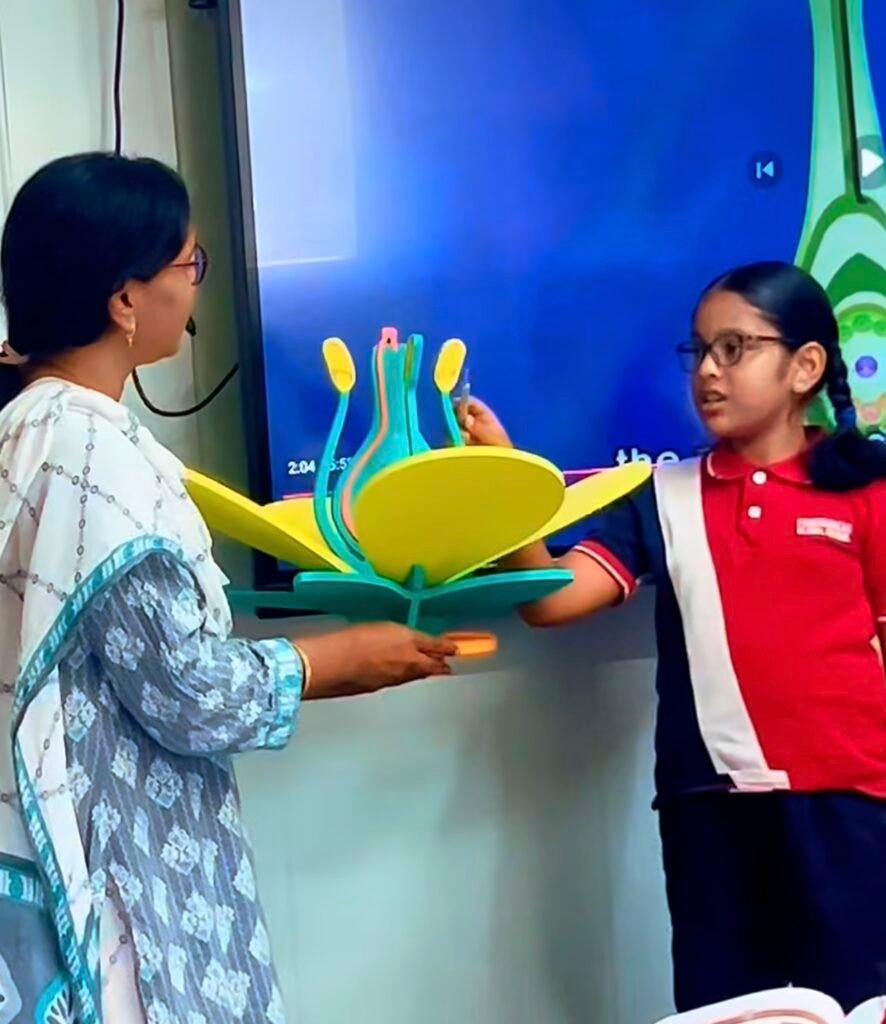
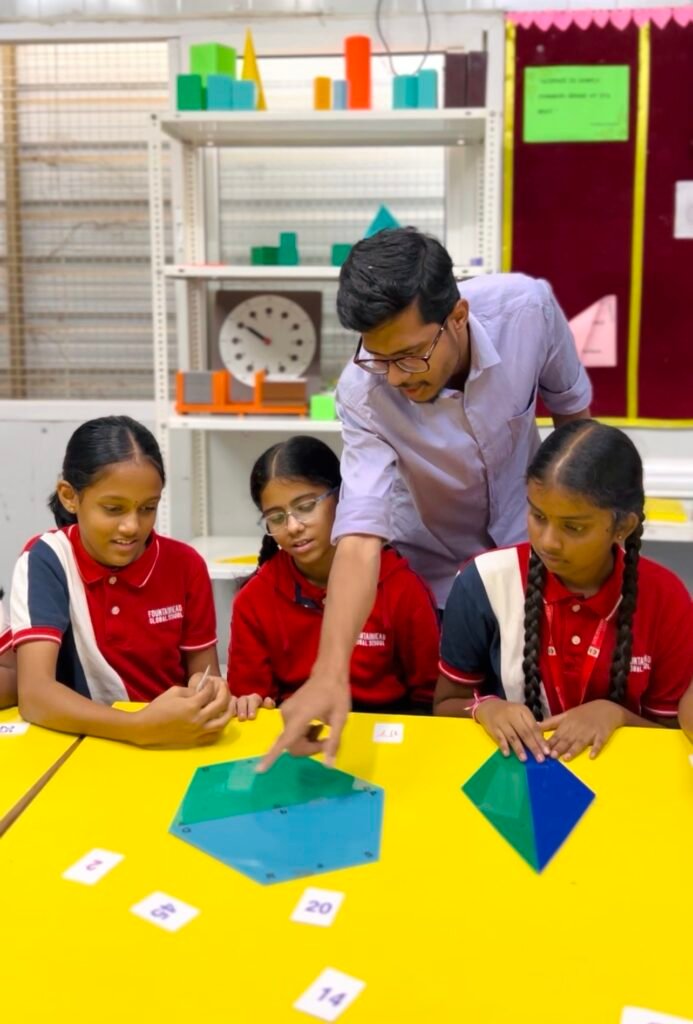
At Fountainhead Global School, we blend the best of both worlds. We use the structured milestones of the traditional system (ensuring your child can read and write beautifully) but deliver it through an activity-based, experiential methodology that keeps the joy of learning alive. We believe the label matters less than the Learning Outcomes.
Red Flags: When to Worry About the Grade Level
While the name doesn’t matter, the quality does. Whether you choose a school that calls it LKG or PP1, watch out for these red flags during your visit:
- Forced Writing: If you see 4-year-olds being forced to copy pages of text from a blackboard without understanding phonics, run. At this age, writing should be a developmental progression, not a punishment.
- No Playtime: If the timetable for LKG shows no “Free Play” or “Circle Time,” the school is pushing academics too early. 4-year-olds need movement to learn.
- Rote Memorization: If the children can recite a poem but cannot answer a simple question about it, they are memorizing, not learning.
How to Prepare Your Child for LKG / PP1
Once you have secured the admission (congratulations!), how do you get them ready?
- Don’t teach them to write yet: Leave the technical handwriting to the teachers to avoid bad habits. Instead, focus on strengthening their hands with play-dough, LEGO, and tearing paper.
- Read to them: The single biggest predictor of success in LKG is a child’s vocabulary. Read bedtime stories and talk about the pictures.
- Self-Help Skills: Can they open their own tiffin box? Can they pull up their own pants after using the washroom? These independence skills are more valuable to an LKG teacher than knowing the multiplication tables.
Conclusion: It’s Just a Label; Focus on the Journey
In the end, whether the ID card says “LKG – Section A” or “PP1 – Sunflowers,” remember that this is just a label for a beautiful phase of discovery. This is the year your child will likely read their first word. It is the year they will make their first “best friend.” It is the year they start becoming independent thinkers.
At Fountainhead Global School, we simplify the process for you. We focus on the child, not the acronym. Our curriculum is designed to meet the NEP standards while ensuring that the transition from home to school is full of warmth, curiosity, and safety.
Don’t get lost in the alphabet soup. Look for the school that sees your child.